
Why Do We Require Kittens to Be Adopted in Pairs?
Bringing home a kitten is exciting, adorable, and full of love — but kittens are also babies who are still learning how to “cat.” At our rescue, we require that young kittens either be adopted in pairs or go to a home that already has another young, playful cat. This policy is based on years of rescue experience, veterinary guidance, feline behavioral research, and what we consistently see leads to the happiest outcomes for both cats and adopters.
Below are some of the most common questions we receive about adopting kittens in pairs.
Frequently Asked Questions About Adopting Kittens in Pairs
“Why can’t I adopt just one kitten?”
A single kitten may seem easier, but kittens naturally develop alongside littermates and other cats. During the first months of life, kittens learn important social skills through constant interaction with other kittens, including:
Bite inhibition (“how hard is too hard”)
Appropriate play behavior
Reading social cues
Confidence building
Emotional regulation
Boundaries and frustration tolerance
When kittens grow up alone without another feline companion, they are more likely to develop behavioral issues commonly referred to as “single kitten syndrome.”
“What is Single Kitten Syndrome?”
“Single Kitten Syndrome” is a term widely used in rescue and feline behavior communities to describe behavioral challenges more commonly seen in kittens raised without another kitten companion.
These kittens are often:
More prone to biting and scratching
More demanding of constant human attention
Easily bored
More destructive
More anxious or insecure
More likely to develop inappropriate play aggression
More likely to wake owners throughout the night
Less socially adaptable with other cats later in life
A second kitten helps naturally teach limits and provides healthy outlets for energy and play.
“Won’t two kittens be twice the work?”
Surprisingly — usually not.
In many cases, two kittens are actually easier than one because they:
Entertain each other
Burn off energy together
Wrestle and play appropriately with one another
Sleep together for comfort
Are less lonely when humans are away
Tend to be more emotionally secure
Single kittens often rely heavily on humans for stimulation and companionship, which can lead to attention-seeking behaviors and frustration.
“Are two kittens more expensive?”
There are additional costs with food, litter, and veterinary care, but many adopters find the benefits far outweigh the difference in expense.
Two kittens often:
Cause less behavioral damage from boredom
Adjust more easily to new homes
Experience less stress and separation anxiety
Have healthier emotional development
Stay more physically active
Many rescues also offer discounted adoption fees for bonded pairs or sibling adoptions.
“But I work from home. Isn’t that enough companionship?”
Human companionship is wonderful — but humans are not cats.
Even the most loving owner cannot fully replace:
Feline communication
Cat-to-cat play
Mutual grooming
Wrestling and chasing
Social learning
Sleeping curled up together
Kittens instinctively seek out feline interaction during their developmental stage.
“What if I already have another cat?”
That may absolutely qualify.
If you already have:
A young cat
An active, playful adult cat
A cat who enjoys feline companionship
then a single kitten may thrive in your home because they will still have a feline social partner.
However, senior cats or cats who dislike other cats are usually not appropriate substitutes for another kitten.
“Will two kittens bond only to each other and ignore me?”
Not at all.
Paired kittens are often:
More confident with people
Less fearful
Better adjusted socially
More relaxed in new environments
Most bonded kittens remain extremely affectionate with their humans while also benefiting emotionally from feline companionship.
“What are the benefits of adopting two kittens together?”
The benefits are enormous for both kittens and adopters.
Benefits for the Kittens
Reduced loneliness and anxiety
Healthier emotional development
Better socialization
Appropriate play learning
Increased confidence
Easier adjustment to new environments
Lifelong companionship
Benefits for the Adopter
Less boredom-related destruction
Less play aggression toward humans
Happier, more balanced kittens
Easier transitions when left alone
Endless entertainment and adorable interactions
Peace of mind knowing they are never lonely
“Do kittens really need that much play?”
Yes. Young kittens have extremely high energy levels and developmental needs.
Without another kitten:
Feet and hands become “toys”
Furniture may become climbing gyms
Nighttime zoomies intensify
Frustration behaviors can increase
Another kitten provides a healthy and natural outlet for that energy.
“What if I only wanted one kitten because I thought it would bond more closely with me?”
Cats do not bond less with humans because they have feline friends.
In fact, emotionally secure kittens often become:
More affectionate
More confident
More adaptable
Less stressed
Better companions overall
A lonely kitten is not necessarily a more bonded kitten — often just a more frustrated one.
“Are there exceptions to the pair rule?”
Occasionally, yes.
Some kittens:
Prefer to be the only cat
Have medical or behavioral needs
Are significantly older and calmer
Are entering homes with appropriate resident cats
Each kitten is evaluated individually, but for most young kittens, pair adoption provides the best chance at long-term success.
What Do Experts and Rescues Recommend?
Many veterinarians, feline behaviorists, shelters, and rescue organizations support adopting kittens in pairs whenever possible.
Organizations and educational resources discussing paired kitten adoption and feline social development include:
These organizations consistently emphasize the importance of socialization, enrichment, play, and healthy behavioral development during kittenhood.
Our Goal
Our goal is not simply to place kittens into homes — it is to create lifelong successful matches where kittens grow into emotionally healthy, confident, loving adult cats.
When kittens grow up with a feline companion, they are often:
Happier
Better socialized
More secure
Less stressed
More enjoyable companions
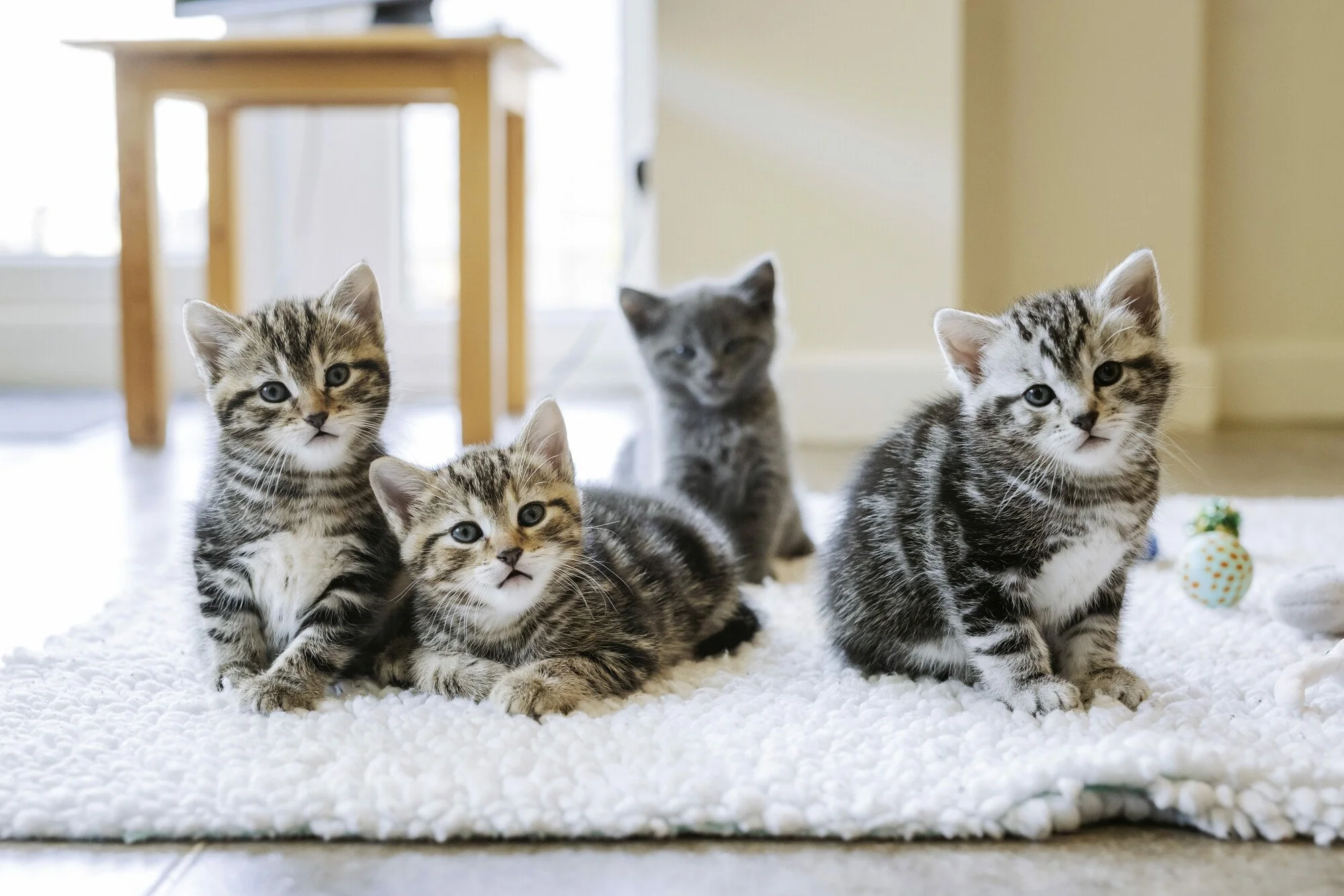
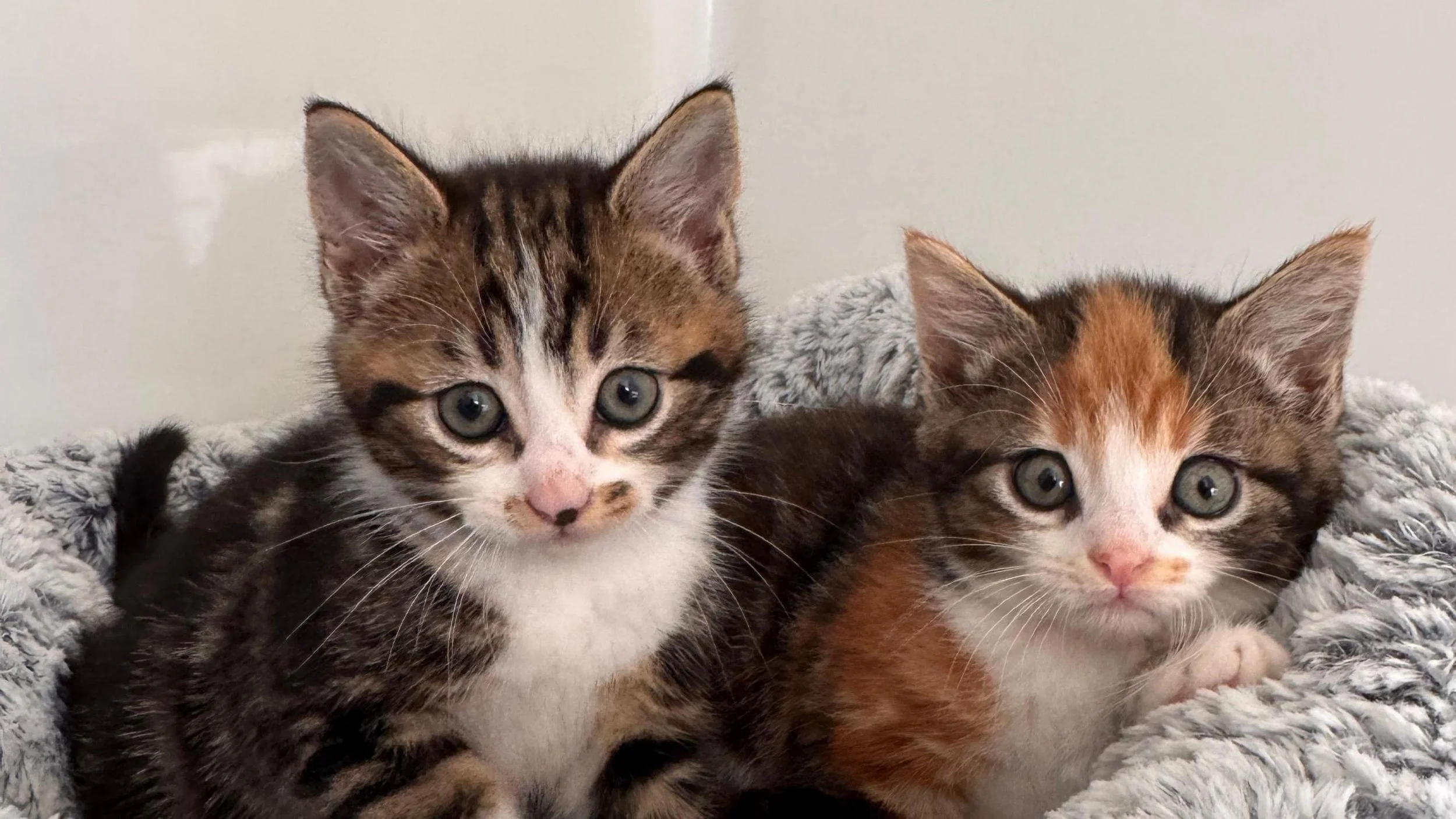
And honestly? Watching two kittens grow up together is one of the sweetest experiences imaginable.
They cuddle together. Groom each other. Play together. Learn together. And they truly thrive together. 🐾